Harvest
Slag & Clinker Thermal Capture
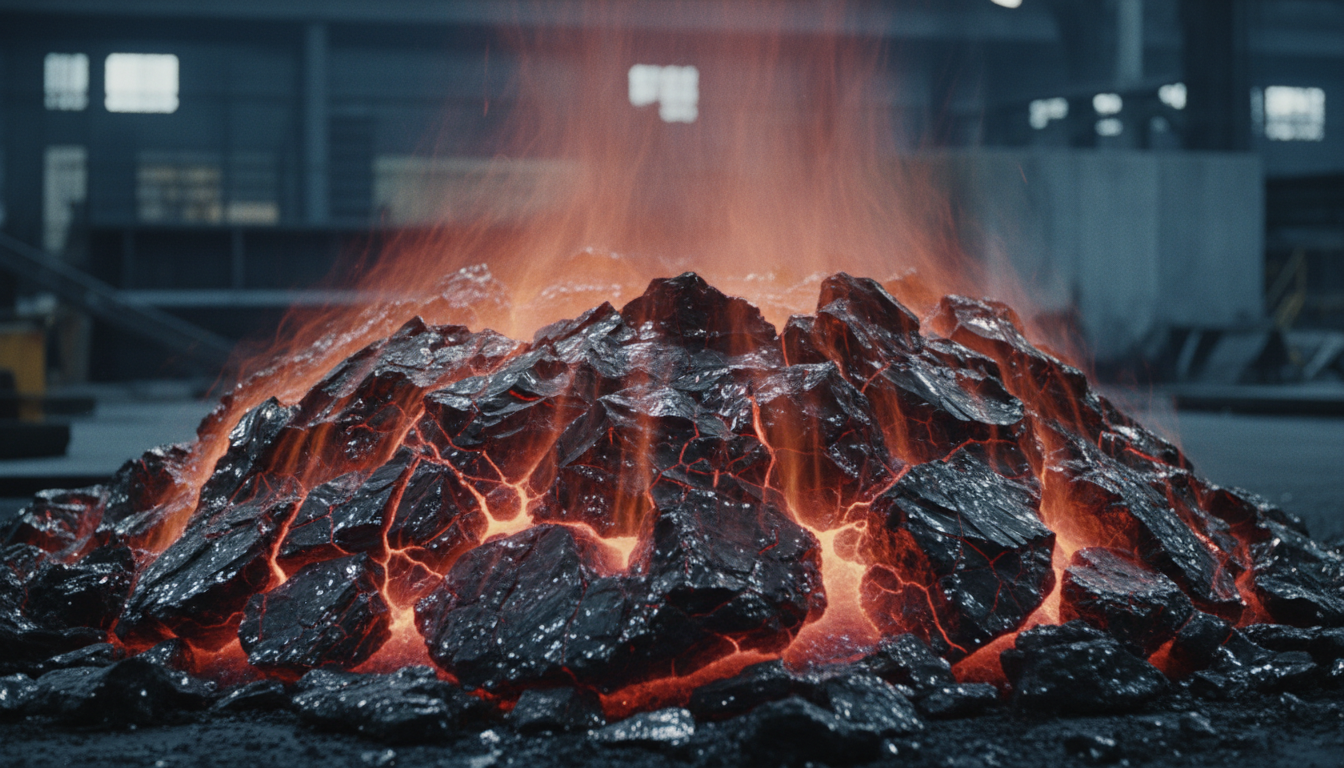
Molten metal slag exits the furnace at 1,200 - 1,500°C. We capture residual heat at the point of discharge through proprietary heat exchange architecture.
University of Cambridge Spin-Out · Pre-Seed
Claze converts residual heat from metal slags and cement clinker into high performance calcined clay, unlocking a scalable, low cost supply of supplementary cementitious materials with dramatically lower CO2/t emissions.
Portland Cement
Conventional Calcined Clay
Claze Process

The Process
Slag & Clinker Thermal Capture
Molten metal slag exits the furnace at 1,200 - 1,500°C. We capture residual heat at the point of discharge through proprietary heat exchange architecture.
Controlled Heat Exchange
Captured thermal energy is routed to an adjacent calcination chamber. Zero combustion. Zero additional fuel.
Clay Calcination at 500 to 850°C
Raw clay is thermally activated into a highly reactive supplementary cementitious material that can directly displace Portland cement clinker in concrete mixes.
Benefits
For Industrial Partners
Economic allocation of waste heat recovery improves reported scope 1 and scope 2 figures.
Waste heat that is currently dissipated generates value through a commercial arrangement with Claze.
The process is additive. Integration requires no modifications to existing plant workflows.
For Cement Producers
Calcined clay is not dependent on fly ash or GGBS supply, which are both structurally declining.
A quality SCM enables cement producers to reduce clinker content and the associated process emissions.
Calcined clay is an established SCM with existing standards frameworks. It does not require reformulation of cement products.
Competitive Advantage
No green premium
Claze competes head-on with conventional cementitious materials on price. Customers cut their emissions without paying a sustainability surcharge.
Standards-ready worldwide
Calcined clay is already written into cement standards around the world. There is no waiting on new codes or approvals before it can be specified and sold.
Gigatonne potential
The process is designed to scale to gigatonne-level output, matching the sheer volume of global cement demand rather than serving a niche.
We're seeking partners across the cement, steel, and construction value chain, including investors, offtakers, and technical collaborators.
Get in Touch
info@clayzero.comFor investment enquiries, partnership discussions, or technical collaboration, reach us directly.
Send an Enquiry